Không tìm thấy từ vựng phù hợp.
Phiên âm: /ˈfrenzɪd/
Nghĩa: hoảng loạn, cuồng loạn
Ví dụ
The crowd became frenzied when
smoke suddenly filled the narrow corridor and blocked visibility.
Đám đông trở nên hoảng loạn khi khói bất ngờ
tràn ngập hành lang hẹp và che khuất tầm nhìn.
Phiên âm: /ˈdʒɒb hɒpɪŋ/
Nghĩa: (Việc) nhảy việc
Ví dụ
the practice of changing your job very often.
Phiên âm: /dɪˈfɪnətɪvli/
Nghĩa: Một cách dứt khoát
Ví dụ
The investigation definitively proved
that the documents had been forged.
Cuộc điều tra đã chứng minh một cách dứt khoát
rằng các tài liệu đã bị làm giả.
Phiên âm: /ˌæprɪˈhensɪv/
Nghĩa: E ngại, cẩn trọng
Ví dụ
feeling worried about something that you are going to do or that is going to happen.
Phiên âm: /ˈdʒɒb hʌɡɪŋ/
Nghĩa: giữ chặt công việc; bám việc vì sợ mất
Ví dụ
In uncertain times, job hugging becomes common as people avoid switching roles even when they feel stuck.
Trong giai đoạn bất ổn, việc “bám” lấy công việc trở nên phổ biến khi nhiều người ngại đổi việc dù cảm thấy bế tắc.
Phiên âm: /fɔːˈɡəʊɪŋ/
Nghĩa: Từ bỏ
Ví dụ
to not have or do something enjoyable.
Phiên âm: /kəˈrɒbəreɪts/
Nghĩa: Củng cố, xác nhận
Ví dụ
to add proof to an account, statement, idea, etc. with new information.
Phiên âm: /ˌsteɪ ˈpʊt/
Nghĩa: Ở nguyên chỗ
Ví dụ
to remain in the same place or position.
Phiên âm: /ˈɪmpɪtəs/
Nghĩa: động lực thúc đẩy
Ví dụ
Economic reform became the main impetus for long-term growth.
Cải cách kinh tế trở thành động lực thúc đẩy chính cho tăng trưởng dài hạn.
Phiên âm: /pəˈveɪsɪv/
Nghĩa: Lan tỏa, phổ biến
Ví dụ
present or noticeable in every part of a thing or place.
Phiên âm: /ˌtrepɪˈdeɪʃn/
Nghĩa: Sự lo lắng
Ví dụ
She approached the interview with a mixture of excitement and trepidation.
Cô ấy bước vào buổi phỏng vấn với sự pha trộn giữa hào hứng và lo lắng.
Phiên âm: /kənˈsiːd/
Nghĩa: Nhượng bộ
Ví dụ
to admit, often unwillingly, that something is true.
Phiên âm: /ˌiːkəˈnɒmɪk ʌnˈsɜːtnti/
Nghĩa: Sự bất ổn kinh tế
Ví dụ
uncertainty:a situation in which sth is not known/sth that is not known/certain.
Phiên âm: /ˈædəmənt/
Nghĩa: Cương quyết
Ví dụ
impossible to persuade, or unwilling to change an opinion or decision.
Phiên âm: /kəmˈpleɪsnsi/
Nghĩa: sự chủ quan
Ví dụ
Years without any serious accident had created a
dangerous sense of complacency among building managers.
Nhiều năm không xảy ra tai nạn nghiêm trọng đã
tạo ra cảm giác chủ quan nguy hiểm trong đội ngũ quản lý tòa nhà.
Phiên âm: /præɡˈmætɪk rɪˈspɒns/
Nghĩa: Phản ứng thực dụng
Ví dụ
pragmatic: solving problems in a sensible way that suits the conditions that really exist now, rather than obeying fixed theories, ideas, or rules.
Phiên âm: /ˈpɒzɪts/
Nghĩa: Cho rằng, đặt giả thuyết
Ví dụ
to suggest something as a basic fact or principle from which a further idea is formed or developed.
Phiên âm: /juːˈbɪkwɪtəs/
Nghĩa: Phổ biến khắp nơi
Ví dụ
seeming to be everywhere.
Synonyms: omnipresent.
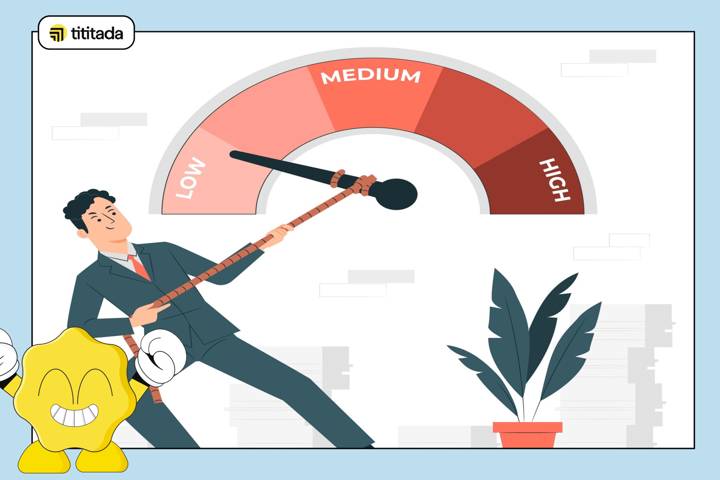
Phiên âm: /prəˈnaʊnst/
Nghĩa: Rõ rệt
Phiên âm: /ˈtenjəd/
Nghĩa: (Nhân viên) có thâm niên
Ví dụ
(of a job) permanent, or (of a person) having a permanent job.
Phiên âm: /ˈrɪsk əvɜːs/
Nghĩa: ngại rủi ro
Ví dụ
unwilling to take risks.
Large studios often become risk-averse and
prefer safe, predictable projects.
Các hãng phim lớn thường trở nên ngại rủi ro và
thích những dự án an toàn, dễ đoán.
Large studios often become risk-averse and
prefer safe, predictable projects.
Các hãng phim lớn thường trở nên ngại rủi ro và
thích những dự án an toàn, dễ đoán.
unwilling to take risks.
Risk-averse parents may discourage creative careers because they worry about financial instability.
Cha mẹ ngại rủi ro có thể không khuyến khích các nghề sáng tạo vì họ lo lắng về sự bất ổn tài chính.
Họ từ
risk
rủi ro
/rɪsk/
· n
aversion
sự ác cảm; sự không thích
/əˈvɜːʃn/
· n
riskiness
mức độ rủi ro
/ˈrɪskinəs/
· n
risk-averse
ngại rủi ro
/ˈrɪsk əvɜːs/
· adj
risky
rủi ro; nguy hiểm
/ˈrɪski/
· adj
Cụm từ liên quan
risk-averse parents
cha mẹ ngại rủi ro
/rɪsk/
a risk-averse attitude
thái độ ngại rủi ro
/rɪsk/
risk-averse behaviour
hành vi ngại rủi ro
/rɪsk/
become risk-averse
trở nên ngại rủi ro
/rɪsk/
Từ đồng nghĩa
cautious
cẩn trọng, dè dặt, cảnh giác
/ˈkɔːʃəs/
· a
Từ trái nghĩa
risk-taking
liều lĩnh
/rɪsk teɪkɪŋ/
· n
Phiên âm: /ˈprevələnt/
Nghĩa: phổ biến; thịnh hành
Ví dụ
existing very commonly or happening often.
Họ từ
prevail
chiếm ưu thế; thắng thế; phổ biến
/prɪˈveɪl/
· verb
prevalence
sự phổ biến; mức độ lan rộng
/ˈprevələns/
· noun
prevalent
phổ biến; thịnh hành
/ˈprevələnt/
· (adj) C1
prevalently
một cách phổ biến; một cách lan rộng
/ˈprevələntli/
· adv
Online learning has become increasingly prevalent in many countries since students can access lessons from almost anywhere.
Việc học trực tuyến ngày càng trở nên phổ biến ở nhiều quốc gia vì học sinh có thể tiếp cận bài học từ hầu như bất cứ đâu.
Từ đồng nghĩa
widespread
phổ biến; lan rộng
/ˈwaɪdspred/
· synonym
pervasive
lan rộng; thấm sâu
/pəˈveɪsɪv/
· synonym
ubiquitous
có mặt khắp nơi
/juːˈbɪkwɪtəs/
· synonym
Từ trái nghĩa
scarce
khan hiếm
/skeəs/
· adj
rare
hiếm
/reə(r)/
· antonym
uncommon
không phổ biến
/ʌnˈkɒmən/
· antonym
Phiên âm: /ɪˈkweɪt tuː/
Nghĩa: Đồng nghĩa với
Ví dụ
to be the same in value or amount as something else.
Phiên âm: /ˈpæsɪvli ˈmɒnɪtər/
Nghĩa: Theo dõi một cách thụ động
Ví dụ
passively: in a way that involves accepting what happens or what people do without trying to change anything or oppose them.
Phiên âm: /ˌriːˈfreɪm/
Nghĩa: Nhìn nhận lại, thay đổi góc nhìn
Ví dụ
to change the way something is expressed or thought about.
We need to reframe the problem
in order to find a more effective solution.
Chúng ta cần nhìn nhận lại vấn đề để tìm ra giải
pháp hiệu quả hơn.
Phiên âm: /ˈdʒɒb hʌɡəz/
Nghĩa: Những người "ôm" việc
Ví dụ
a person who remains in their job for a long time, esp for reasons of security.
Phiên âm: /ˈliːvərɪdʒɪŋ/
Nghĩa: Tận dụng
Ví dụ
to use something that you already have in order to achieve something new or better.
Nghĩa: Tận dụng
Ví dụ
usinesses must learn to capitalize on emerging
market trends to remain competitive.
Các doanh nghiệp phải học cách tận dụng các xu hướng
thị trường mới nổi để duy trì khả năng cạnh tranh.
Phiên âm: /ˌprəʊˈæktɪvli/
Nghĩa: Một cách chủ động
Ví dụ
in a way that causes change by taking action, rather than reacting to change.
Phiên âm: /ɪnˈtɜːnl məʊˈbɪləti/
Nghĩa: (Sự) luân chuyển nội bộ
Ví dụ
mobility: the ability to move freely or be easily moved.
Phiên âm: /səˈkɒndmənts/
Nghĩa: (Các đợt) biệt phái, luân chuyển công tác
Ví dụ
a period of time when an employee is sent to work somewhere else temporarily, either inside or outside the company.
Phiên âm: /ˈsaɪd stækɪŋ/
Nghĩa: (Việc) làm thêm nhiều nghề tay trái (Đây là một thuật ngữ mới, được định nghĩa trong bài là "cultivating multiple side hustles").
Ví dụ
side: in addition to the main part.
stacking: to arrange things in an ordered pile.
Phiên âm: /ˈkʌltɪveɪtɪŋ/
Nghĩa: Phát triển, trau dồi
Ví dụ
to try to develop and improve something.
Phiên âm: /ˈbəʊlstər/
Nghĩa: Củng cố
Ví dụ
to support or improve something or make it stronger.
Phiên âm: /ˈtreɪdɒf/
Nghĩa: Sự đánh đổi
Ví dụ
a situation in which you balance two opposing situations or qualities.
Phiên âm: /əˈkjuːtli/
Nghĩa: một cách nghiêm trọng
Ví dụ
She became acutely aware of the environmental impact of plastic waste after watching the documentary.
Cô trở nên nhận thức sâu sắc về tác động môi trường của rác thải nhựa sau khi xem bộ phim tài liệu.
Phiên âm: /rɪˈtenʃn/
Nghĩa: Sự giữ chân (nhân viên)
Ví dụ
the continued use, existence, or possession of something or someone.
Phiên âm: /ˌɪnstɪˈtjuːʃənl ˈnɒlɪdʒ/
Nghĩa: Kiến thức về tổ chức
Ví dụ
institutional: relating to an institution (= a large and important organization, such as a university or bank).
knowledge: understanding of or information about a subject.
Phiên âm: /ˈtɜːnəʊvə kɒsts/
Nghĩa: Chi phí thay thế nhân sự
Ví dụ
turnover: the rate at which employees leave a company and are replaced by new people.
Phiên âm: /səbˈsaɪdz/
Nghĩa: Lắng xuống, giảm bớt
Ví dụ
If a condition subsides, it becomes less strong or extreme.
Phiên âm: /ɪmˈpaʊəd/
Nghĩa: (Mang tính) chủ động, tự chủ
Ví dụ
having the official authority or freedom to do something.